

Natural Sleep Aids: Remedies, Foods & Habits to Sleep Better
Posted by eWater.com on Oct 4th 2026
You are tired, you go to bed on time, and then you lie there. Your mind replays the day, you check the clock, and the night slips away. Most people in that spot do not want a prescription. They want a natural sleep aid: something gentle that helps the body do what it already knows how to do. This guide covers the natural sleep remedies worth trying, the foods that help you sleep, melatonin-free options, and a few notes for older adults.
What Is a Natural Sleep Aid?
A natural sleep aid is anything that supports sleep without a sleeping pill. That includes daily habits, food and drink, herbs, minerals and non drug products worn or used at bedtime. Some have more research behind them than others, and the honest answer is that habits come first. No herb or product can outwork a bedroom full of screens and a late coffee.
Start With Habits: How to Sleep Better Naturally
Every medical source on page one agrees on this part. The Sleep Foundation calls it sleep hygiene, and it is the base everything else sits on:
- Keep the same wake time, even on weekends. A steady morning sets a steady night.
- Get daylight early. Morning light tells your body clock when the day started.
- Cut caffeine after lunch and go easy on alcohol, which breaks up sleep later in the night.
- Build a wind-down routine. Dim the lights, put the phone away, read or stretch.
- Keep the bedroom cool, dark and quiet. Save the bed for sleep.
- Move during the day. Regular exercise helps, just not right before bed.
- Get up if you cannot sleep. Do something calm in low light and come back when you feel drowsy.
Relaxation practices belong here too. Slow breathing, gentle yoga, tai chi and meditation help quiet a busy mind, and they are generally considered safe.
Foods That Help You Sleep
What you eat in the evening can help or hurt. A heavy, spicy or late meal keeps the body working when it should be resting. A light snack built from these foods is a better choice:
- Tart cherries and tart cherry juice, one of the few foods with natural melatonin.
- Kiwi, which some small studies link to falling asleep faster.
- Bananas, almonds and pumpkin seeds, all good food sources of magnesium.
- Walnuts, which also contain some melatonin.
- Warm milk, an old remedy that contains tryptophan.
- Oatmeal, a light, calming carbohydrate.
- Fatty fish such as salmon, earlier in the day as part of a balanced diet.
- Chamomile tea, a warm, caffeine-free ritual to end the evening.
Herbal Sleep Remedies
Herbs are the most common natural sleep remedies, and the research on them is mixed. According to the National Center for Complementary and Integrative Health, studies on valerian have given inconsistent results, and there is no conclusive evidence either way for chamomile. Many people still find them calming as part of a routine.
- Chamomile. Usually taken as tea. Skip it if you are allergic to ragweed.
- Valerian root. One of the oldest sleep herbs, used for centuries.
- Lavender. Most often used as a scent in the bedroom.
- Passionflower and lemon balm. Gentle calming herbs, often found in bedtime teas.
"Natural" does not mean risk-free. Herbs can interact with medications, and supplements are not checked for safety or quality the way drugs are. Talk with your doctor or pharmacist before adding one, especially if you take other medicines.
Magnesium and Sleep
Magnesium comes up on almost every list of natural sleep aids. It plays a part in the body's calming systems, including GABA, the messenger that quiets the nervous system, and melatonin, the hormone that tells your body it is time to sleep. Food comes first, and many people also add a supplement. Angstrom Magnesium is a liquid form with no pills to break down and no melatonin. We will cover magnesium for sleep in more depth in a future post.
Sleep Aids Without Melatonin
Melatonin is the best-known sleep supplement, but it is not for everyone. Some people wake up groggy, some want to avoid adding a hormone, and medical guidelines do not recommend it for chronic insomnia. It is mainly studied for jet lag and shift work.
If you want a sleep aid without melatonin, you have options: the habits and foods above, calming herbs, magnesium, and non drug products you wear rather than swallow.
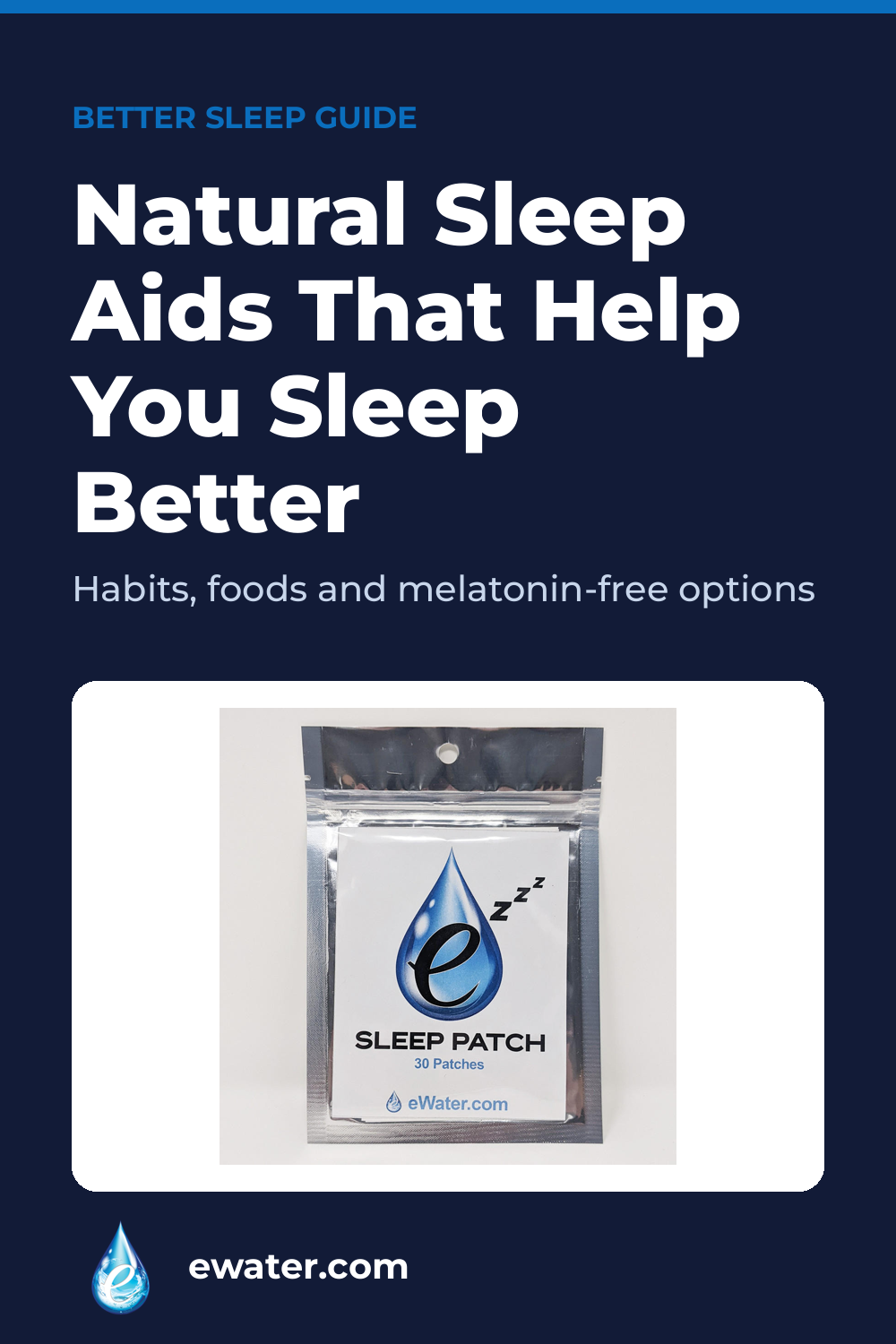
That last group is where our Sleep Patch fits. It is a non drug, non transdermal patch, so nothing is absorbed through the skin. Instead it uses subtle energy frequencies, including frequencies of the jujube fruit, combined with frequencies meant to calm the mind and prepare you for sleep. You put one on before bed and take it off in the morning, with the goal of sleeping soundly and waking with a refreshing feeling. You can see it alongside our other sleep tools in the Better Sleep collection.
Natural Sleep Aids for Elderly Adults
Sleep changes with age. Older adults often fall asleep earlier, wake earlier and wake more often in the night. That is common, but poor sleep is not something you simply have to accept.
A few points matter more later in life:
- Check medications first. Many common prescriptions affect sleep, and herbs or supplements can interact with them. Ask your doctor or pharmacist before adding anything.
- Be careful with anything that causes grogginess. Morning drowsiness raises the risk of falls.
- Get outside in the daytime. Daylight and activity help keep the body clock steady.
- Try gentle movement. Tai chi and yoga may help improve sleep quality in older adults.
- Limit long afternoon naps if nights are restless.
Because it is non drug and nothing is swallowed, a patch like the Sleep Patch is one option some older adults prefer to try. Mention it to your doctor like anything else you add to your routine.
When to See a Doctor
Natural sleep aids are for the ordinary rough patch. If you have trouble sleeping most nights for weeks at a time, if you snore loudly or stop breathing in your sleep, if your legs will not stay still at night, or if you are exhausted during the day no matter how long you sleep, talk to your doctor. Chronic insomnia and sleep apnea are medical conditions, and they respond well to proper care.
Frequently Asked Questions
What is the best natural sleep aid?
There is no single best one. Good habits come first: a steady wake time, a dark and cool room, and less caffeine and screen time at night. From there, many people add a light sleep-friendly snack, a calming tea, magnesium, or a non drug option such as a sleep patch.
Do natural sleep aids really work?
Some do, for some people. Sleep habits and relaxation practices have the strongest support. Herbs have mixed research, and results vary from person to person.
What foods help you sleep?
Tart cherries, kiwi, bananas, almonds, walnuts, pumpkin seeds, oatmeal, warm milk and chamomile tea are the ones mentioned most often. Keep evening meals light.
Is there a sleep aid without melatonin?
Yes. Habits, sleep foods, calming herbs and magnesium are all melatonin-free. Our Sleep Patch is a non drug, non transdermal option that uses subtle energy frequencies instead of any ingredient you take.
What is a safe natural sleep aid for elderly adults?
Start with daylight, gentle movement and a steady routine. Check with a doctor before adding any herb or supplement, since many older adults take medications that can interact with them.
How can I sleep better naturally tonight?
Dim the lights an hour or so before bed, put the phone in another room, have a warm caffeine-free drink, and keep the bedroom cool and dark. For more ideas, browse our Better Sleep collection.